Animism, justice and memory..
Reflections from the 2026 Oxford Real Farming Conference

Hello…
I am emerging briefly from the wet, muddy ground of Dartmoor to send you some reflections and links from an event I attended in Oxford last week. It fired me up and I hope something here is useful and helpful for you (scroll down to the bottom for links).
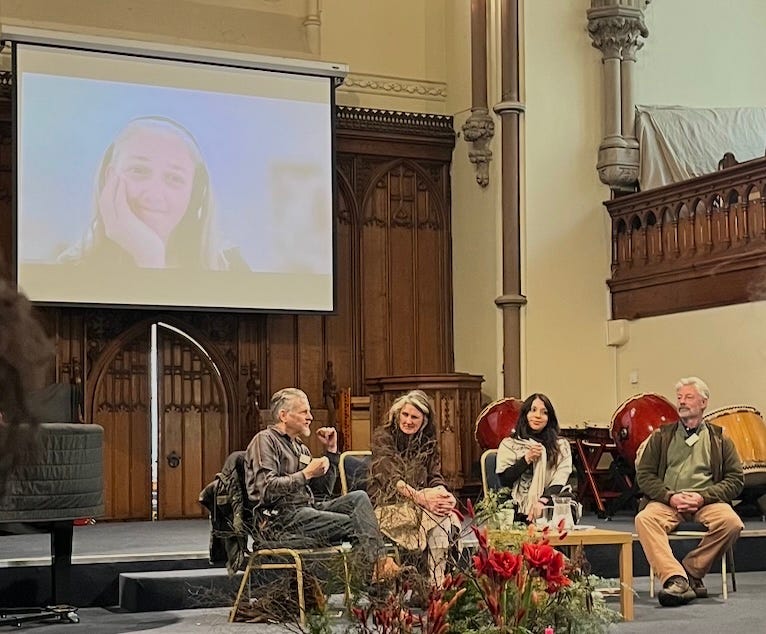
Last week I attended the Oxford Real Farming Conference (ORFC) and its Listening to the Land day as part of my Ph.D. studies into land justice.
The theme of listening to the land was strong throughout the whole event and brought a welcome sense of animism to an otherwise cerebral experience.
During my train journey there, with long delays due to the snow, waiting at busy stations trying to avoid the build-up of ice on the platforms, I wondered what on earth I was doing - when my whole body and soul wanted to be snuggled up in bed.
But heading to Oxford was a treat. I have lived there a few different times over my life and feel very connected to parts of the city. As it turned out, the conference itself was food for the soul.
I was really impressed with the centrality of grounded, solution-based ideas amidst challenging, real-world problems.
With the addition of animism (not that anyone named it…), the conference felt revolutionary.
A practical, grounded revolution based on working with the Earth. A revolution based on love and reciprocity – for all beings. Utilising indigenous practices and ancient wisdom. Tried and tested techniques over millennia that work. Seriously impressive.
The thing is, humans are deeply inter-connected within the wider ecology of life. While this is obvious, we live in a world which has turned the land, and all of the living beings who live on the land, into commodities to be extracted, bought and sold.
While our news and media may not shout about it, this issue underlies every issue we are witnessing in the world just now. It’s all about land. How land is seen and treated, who has access to it and who doesn’t.
The conference illuminated the global threads between different events, organisations and governments creating the issues, while hosting speakers from a multitude of different projects and organisations, people who are meeting the challenges head on and creating solutions.
Sessions dived into agroecology, land justice and agrarian reform. Topics explored resistance, listening, regeneration, justice, resilience, renewal, sovereignty, recovery, solidarity.
And a consistent message that people are part of nature, that we are nature.
There were sessions on plant communication, how to wassail, letting the land lead, the magic of trees, giving legal personhood to rivers, growing in relationship with the land, why nature needs us, listening to indigenous land stewards and farming as medicine.
All the speakers; indigenous people, farmers and landworkers, activists and campaigners, academics, musicians, artists and policy-makers all said the same thing. It all comes down to land and we are the land.
In the spaces in between, when I needed to ground and meet with some more-than-human folk, I wandered around Oxford.
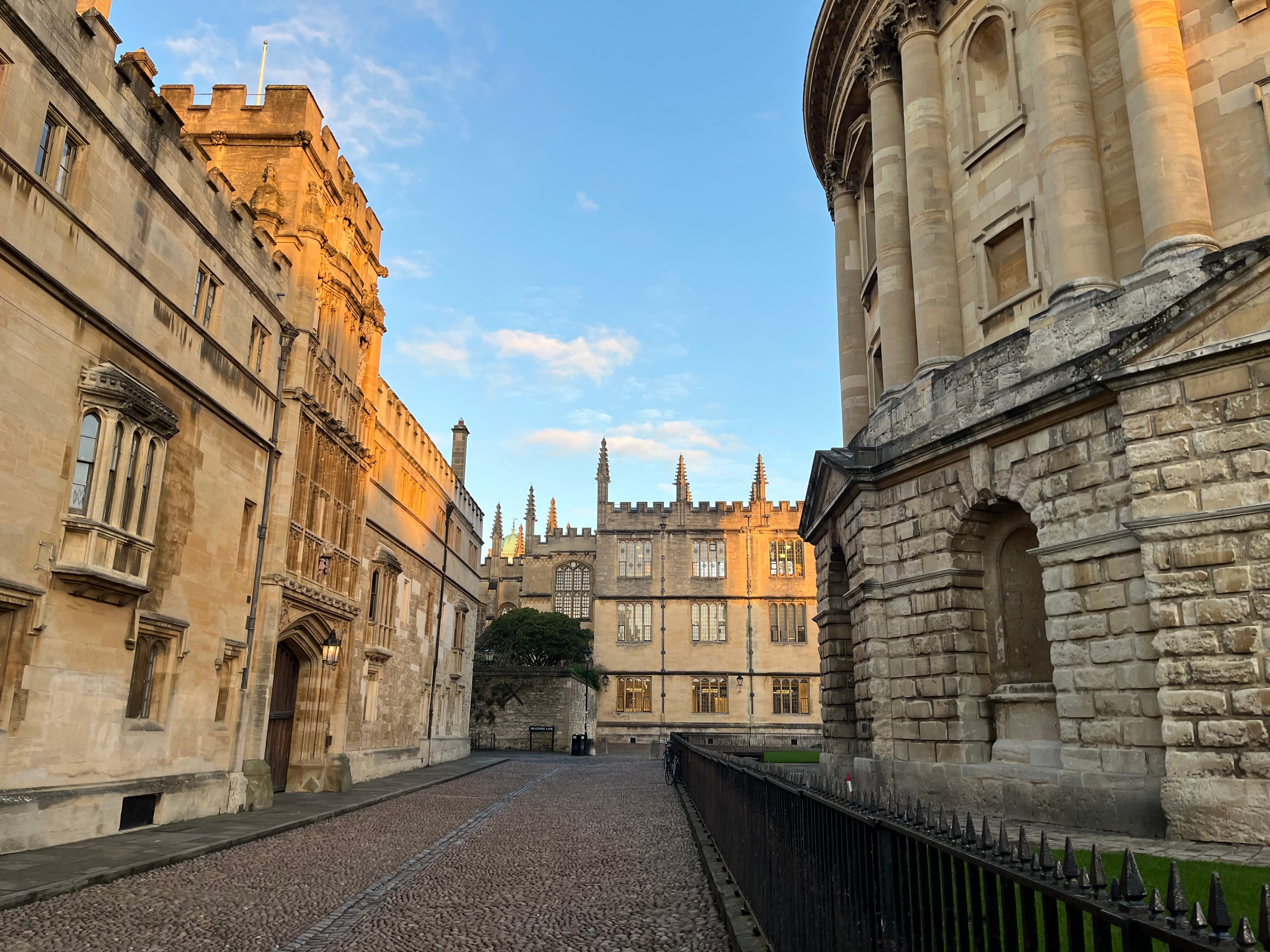
Oxford is a bizarre place, centred as it is on an ancient university with immense wealth and privilege. I stayed within one of the university colleges, eating breakfast each morning in a hall adorned with a huge painting of the first Queen Elizabeth.
The conference was held in venues that included university buildings and churches. As one of the speakers pointed out during a session, there were paintings on the walls of historical figures with key roles in creating colonialism, all in the same rooms where we were discussing its legacy and how to resist.
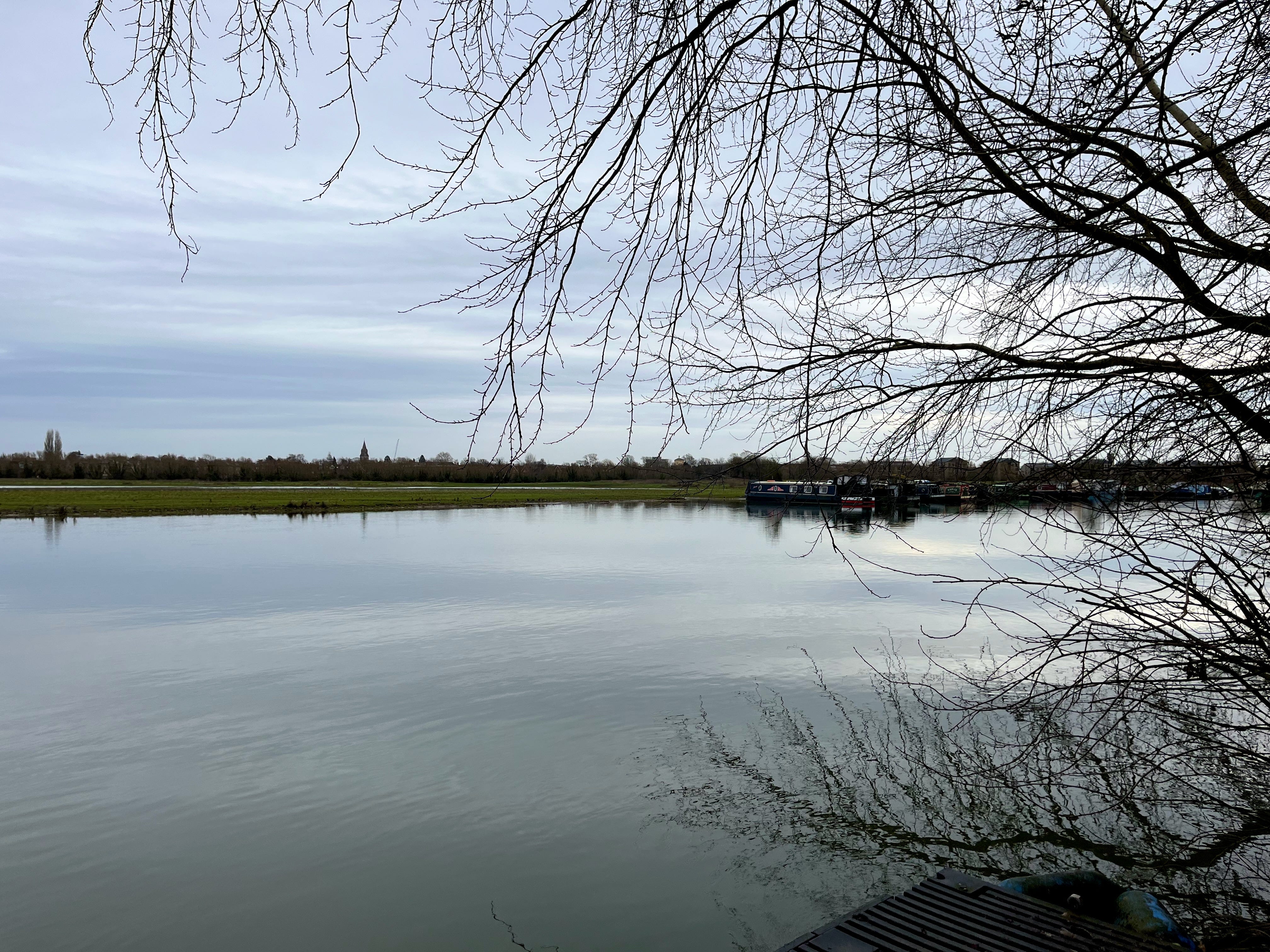
Yet there are wilder places in Oxford. Away from the cobbled streets, sandstone buildings and manicured plane trees, there is a watery world focused around the River Isis. There I once lived, years ago, travelling amongst the cracked willows and semi-wild horses of Port Meadow.
I also wandered around the district of Jericho, where I lived within a little-known college called Ruskin, many years ago when life, and me, were very different. The building itself has been sold and the institution changed beyond recognition. I have written about it on my blog:
Resources
Below is some of what I have been inspired by during ORFC, sharing in the hope they will inspire you as well.
Lyla June Johnston - Indigenous scholar, speaker and musician
Rupa Marya - Medical doctor, scholar and director of Deep Medicine Circle
Monica Gagliano - Groundbreaking scientist, ecologist and plant communicator
Earthed a wonderful compendium of free courses on the sorts of subjects the conference dived into, with some amazing teachers
Land in Our Names (LION) - land justice campaign group seeking land reparation for people of colour in England
Susanna (Ted) Waters Song in honour of Manchán Magan
Martha Tilston Song: no separation
Thanks for reading!
May you be warm and well this January and enjoy connection deep and true
Love Samara